
Medicabay Healthcare Systems engineered the AMS Series to deliver fail-safe, continuous medical gas distribution for critical hospital infrastructure. Engineered for Oxygen, Nitrous Oxide, Entonox, Nitrogen, Helium, Carbon Dioxide, and Medical Air, the system supports nominal flow rates from 20 to 300 m³/h with stable line pressure regulation.
Available with microprocessor-controlled electronic or fail-safe mechanical pneumatic change-over, each plant integrates factory-tested safety components on a heavy-duty stainless steel back panel to guarantee 24/7 uninterrupted patient gas delivery.
Quick Manifold Estimator Duty / Standby (2 × N Banks)
Table of Contents
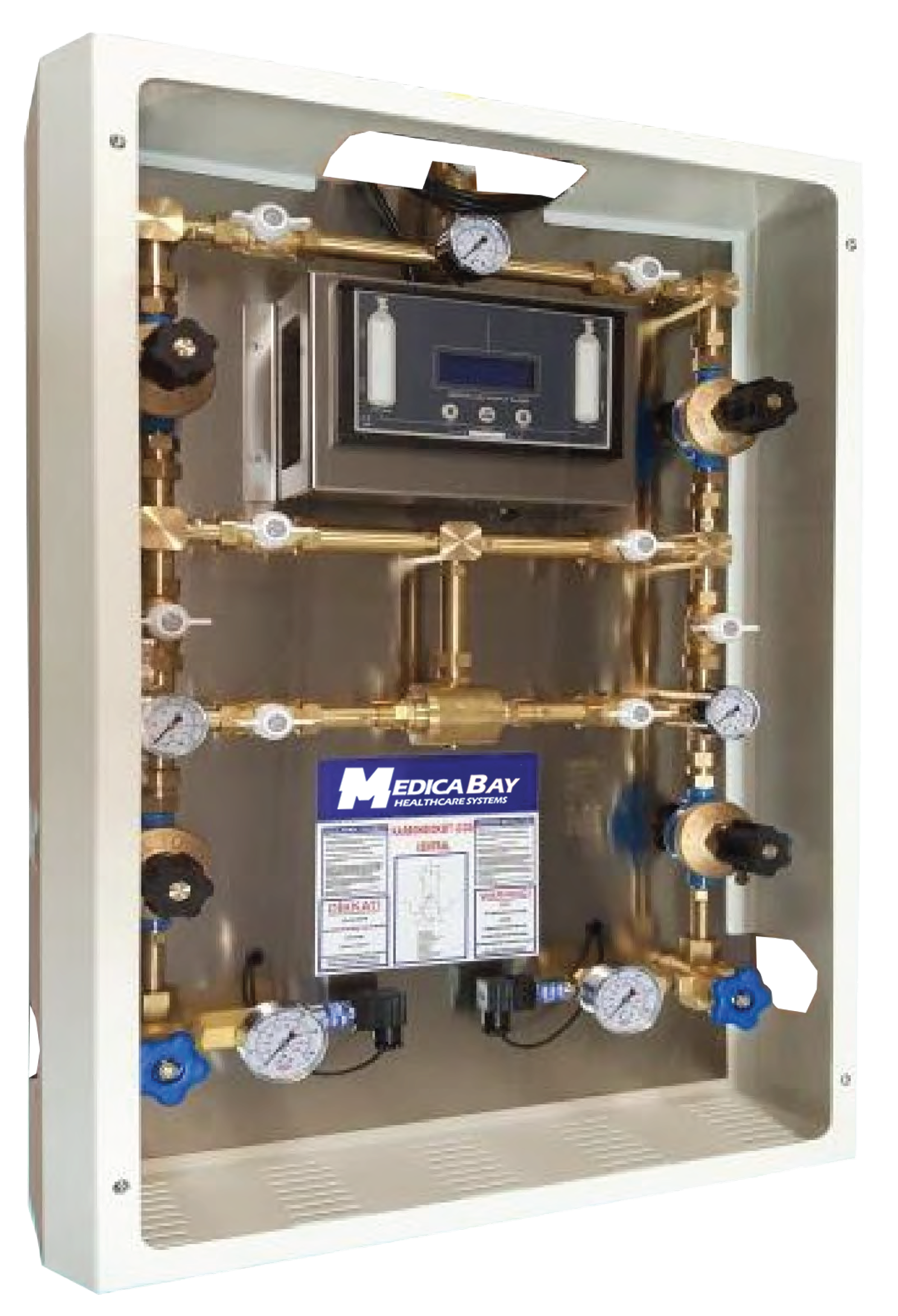
Built to Run Unattended: Automatic Manifold System Features
Certified under ISO 10524-2, ISO 7396-1, and HTM 02-01, Medicabay AMS Series integrates factory-assembled components on a stainless steel back panel for fail-safe, 24/7 continuous hospital gas distribution.
Integrated Header Components
Pre-assembled on a Stainless Steel Back Panel with 1st and 2nd stage regulators, high/low pressure ball valves, manometers, electronic solenoid valves, transducers, and emergency NIST ports.
Electronic & Mechanical Change-Over
Available with digital touchscreen electronic changeover or pneumatic fail-safe switching that shifts cylinder banks smoothly without acoustic shock or line pressure droop.
Anti-Freezing Electric Heaters
Thermostatically controlled 230V inline electric heaters prevent Joule-Thomson freezing during continuous high-flow withdrawal of latent-heat gases like N₂O and CO₂.
CW614N Cadmium-Free Check Valves
High-integrity brass non-return devices silver-soldered to copper header pipes ensure zero cadmium contamination and allow safe hot-swapping of empty cylinders without bank shutdown.
Digital Alarm & Telemetry
Live digital panel displays real-time capacity of left/right cylinder ramps and output line pressure, outputting 4–20 mA signals and dry volt-free contacts to central hospital BMS.
High-Pressure Relief Valves (300 Bar)
Engineered to handle severe high-pressure conditions during cylinder changeouts, with controlled excess pressure relief rated up to 300 bar for maximum personnel safety.
Flexible Pigtails to ISO EN 21969
Gas-specific flexible connecting pigtails in stainless steel, chrome-plated, or copper with pin-index, DIN 477, BS 341, or CGA fittings to eliminate any gas cross-connection hazard.
Modular Racks for 40L & 50L Bottles
Heavy-duty floor/wall cylinder racks accommodating single, double, triple, quadruple, or quintuple seat modules, expandable from 2×1 to 2×20 cylinders as bed count increases.
How the Hospital Gas Manifold & Changeover Works
High-pressure gas from Bank A and Bank B (200 bar) enters dedicated 1st Stage Regulators on each line, reducing pressure to ~10 bar.
Changeover occurs at this intermediate stage via an inverted-T sliding shuttle valve or dual solenoid valves, before gas enters redundant dual 2nd Stage Regulators and the emergency reserve source (ERM).
1. Bank A Duty (Running)1st Reg → Active
Bank A cylinders (200 bar) pass through 1st Stage Regulator A, reducing pressure to ~10 bar. In mechanical mode, this 10 bar pressure enters the inverted-T changeover and holds the shuttle to the right end-stop. In electronic mode, Solenoid SV1 is held OPEN while SV2 is CLOSED. Gas flows through redundant 2nd Stage Regulator A into the hospital pipeline at 4.0 bar, holding the ERM check valve closed.
2. Changeover Shift TriggerSeamless Transition
When Bank A depletes in stages (190b → 85b → 24b) and drops below ~12 bar, higher intermediate pressure (10 bar) from standby 1st Stage Regulator B pushes the mechanical sliding shuttle across to the left end-stop (or electronic sensors switch SV1 CLOSED & SV2 OPEN) with gas passing smoothly and zero pressure droop.
3. Bank B Duty & Refill AlarmContinuous Delivery
The shuttle remains seated firmly at the left end-stop. Bank B now provides 100% of hospital demand through 1st Stage Regulator B → Changeover → Dual 2nd Stage Regulators. Acoustic/visual alarms prompt clinical engineering to hot-swap empty Bank A cylinders while the pipeline remains fully pressurized.
4. Emergency Reserve (ERM)Check Valve Opens
If both main cylinder banks are depleted and line pressure decays below 3.6 bar, backpressure on the ERM inline non-return check valve is released. The check valve opens automatically, and the independent 3rd source ERM feeds the hospital without interruption at 3.80 bar.
Supply layouts to HTM 02-01 & ISO 7396-1
Under international medical gas standards, hospital gas supply must incorporate primary, secondary, and emergency reserve sources. Medicabay AMS manifolds are configured for all three recognized architectural schemes.
Duty / Standby Manifold with ERM
Standard configuration for regional clinics and private hospitals where the Automatic Manifold Plant serves as both Primary (Bank A) and Secondary (Bank B) source, paired with an emergency reserve manifold (ERM) as the third source.
VIE Tank & PSA Plant Secondary Source
In high-capacity hospitals with on-site Liquid Oxygen Tanks (VIE) or PSA Generators as the primary source, the Automatic Manifold acts as the automatic emergency backup source delivering instantaneous full-flow takeover.
Dual Pressure Station (4 Bar & 7 Bar)
Specialized dual-output manifold station for Medical Air or Nitrogen supplying both 4.0 bar patient breathing lines and 7.0–8.0 bar high-pressure surgical power tool drive systems from a unified cylinder bank array.
Engineering showcase: Headers & modular ramps
Factory sub-assemblies and production hardware: Explore Medicabay AMS automatic header panels, MMS manual emergency reserve stations, CW614N brass check-valve ramps, and flexible pigtails.
Automatic Header with Protective Cover
Double stage automatic manifold header housed in an ergonomic powder-coated protective front enclosure with integrated digital alarm window.
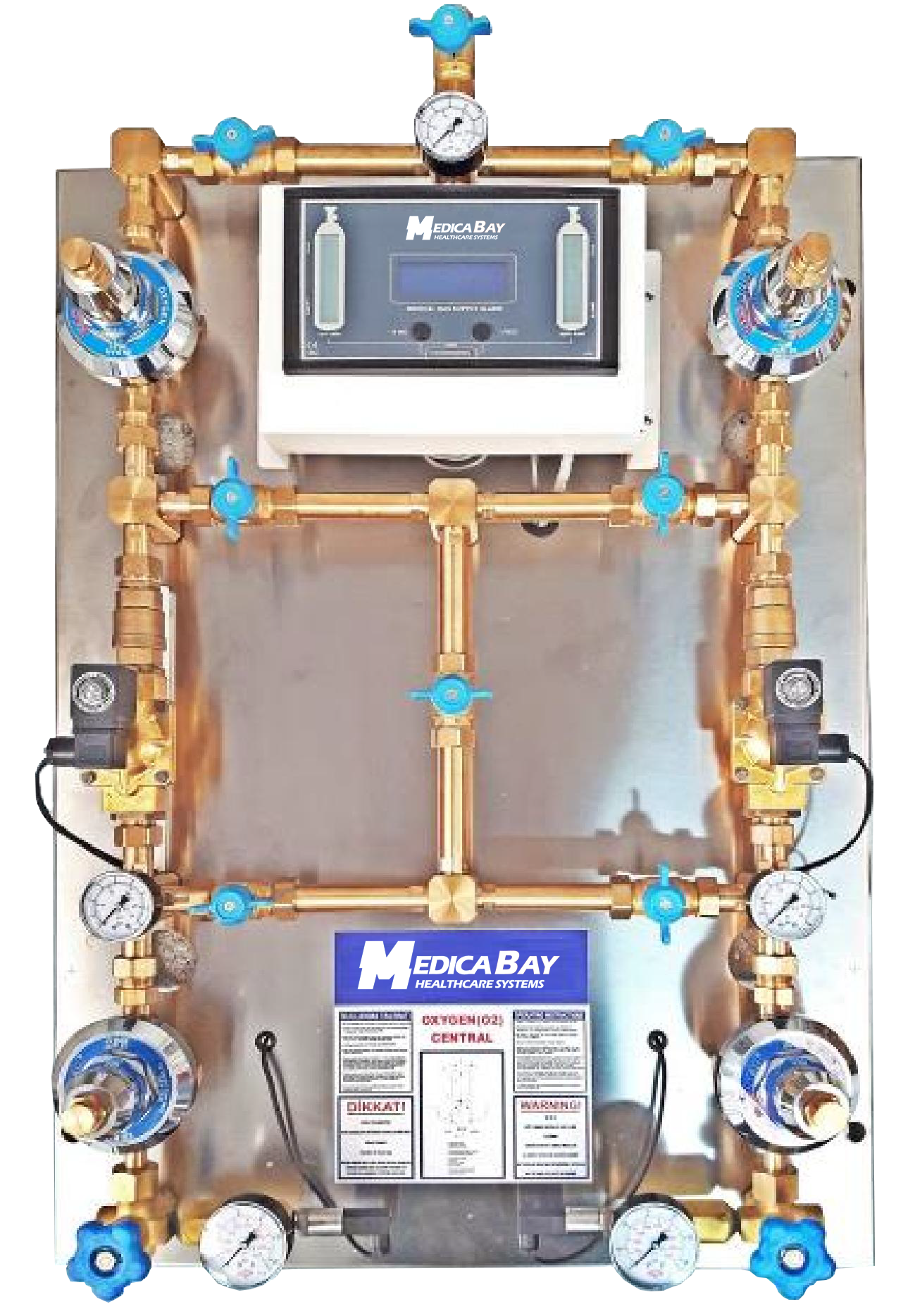
Electronic Solenoid Model Header
Equipped with high-speed electronic solenoid valves, high/low pressure transducers, and microprocessor changeover without pressure droop.
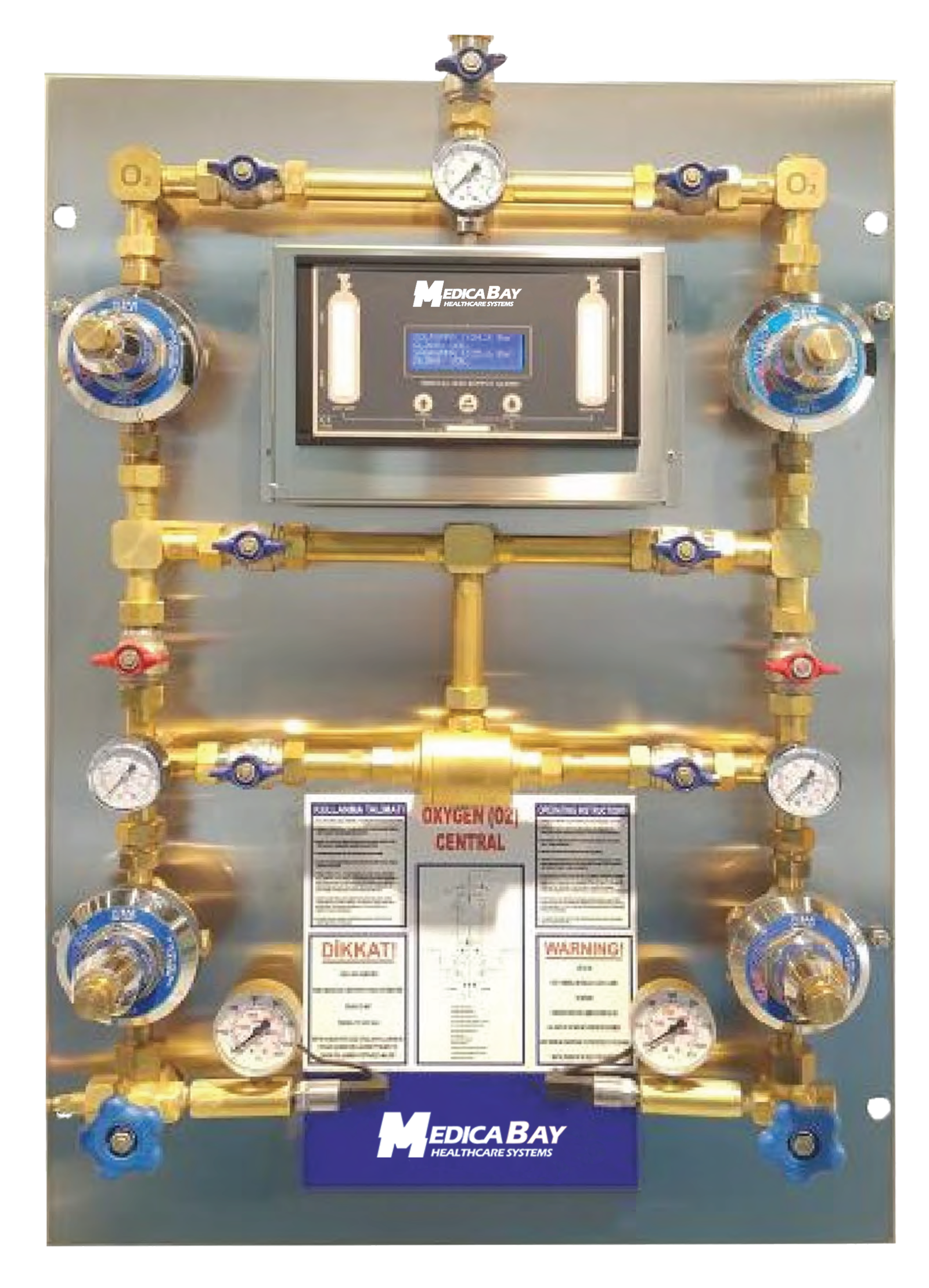
Mechanical Changeover Automatic Header
Double stage automatic manifold system header engineered with an integrated pneumatic differential changeover unit and dual-stage brass regulators, operating without electrical power for 100% fail-safe reliability.
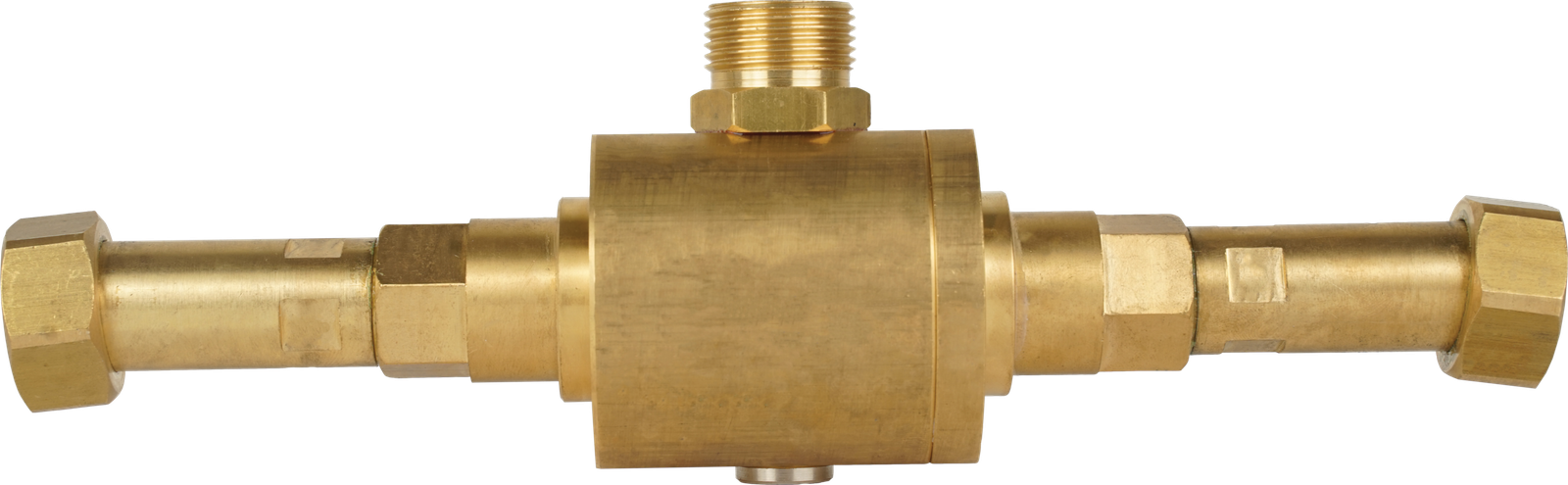
Pneumatic Changeover Unit
Precision-machined pneumatic differential changeover block for fail-safe automatic bank transition requiring zero electrical power.
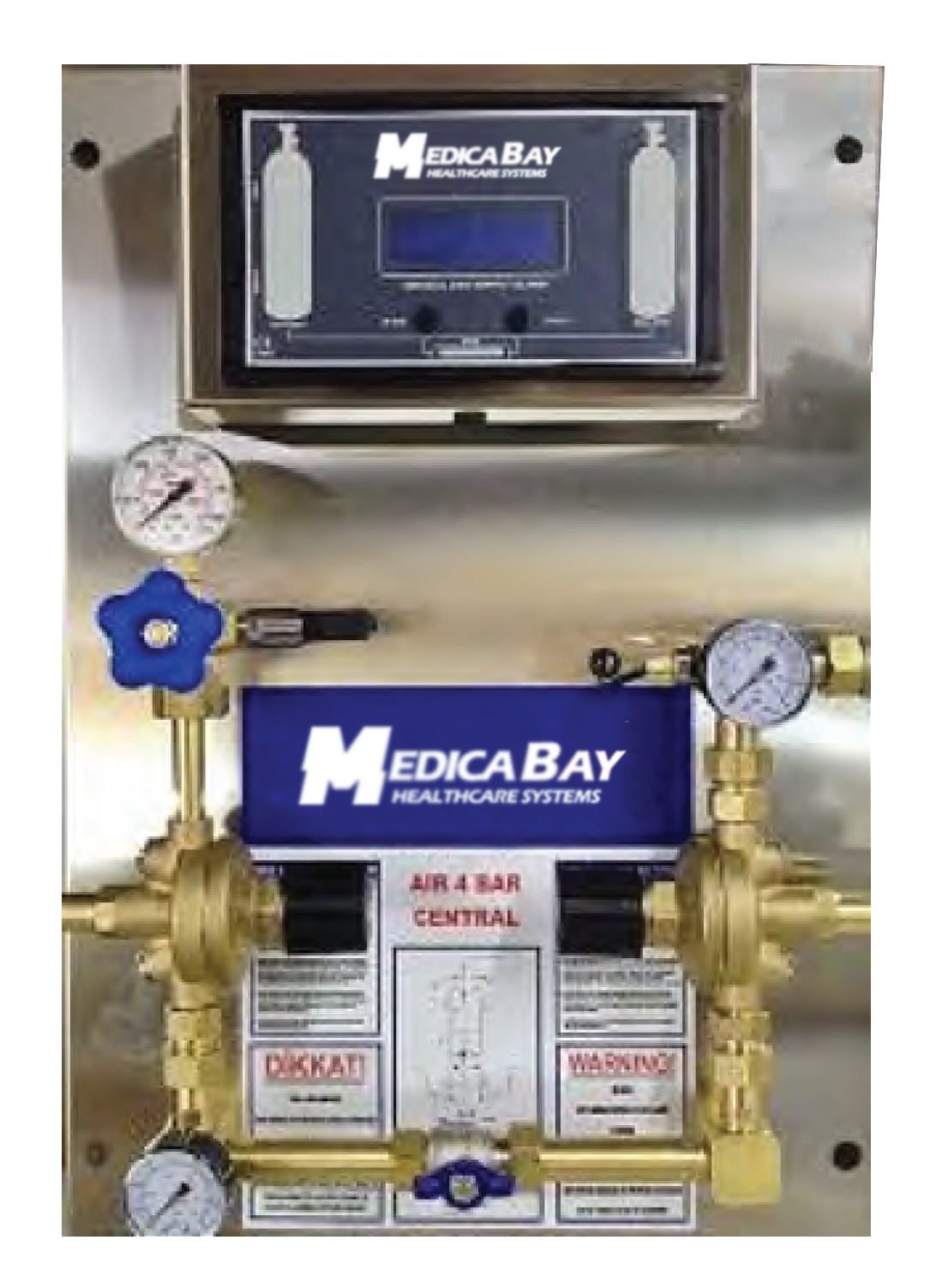
MMS Manual Emergency Reserve Header
Designed for HTM 02-01 3rd source emergency reserve manifold (ERM) duty, featuring manual changeover and dedicated digital alarm telemetry.
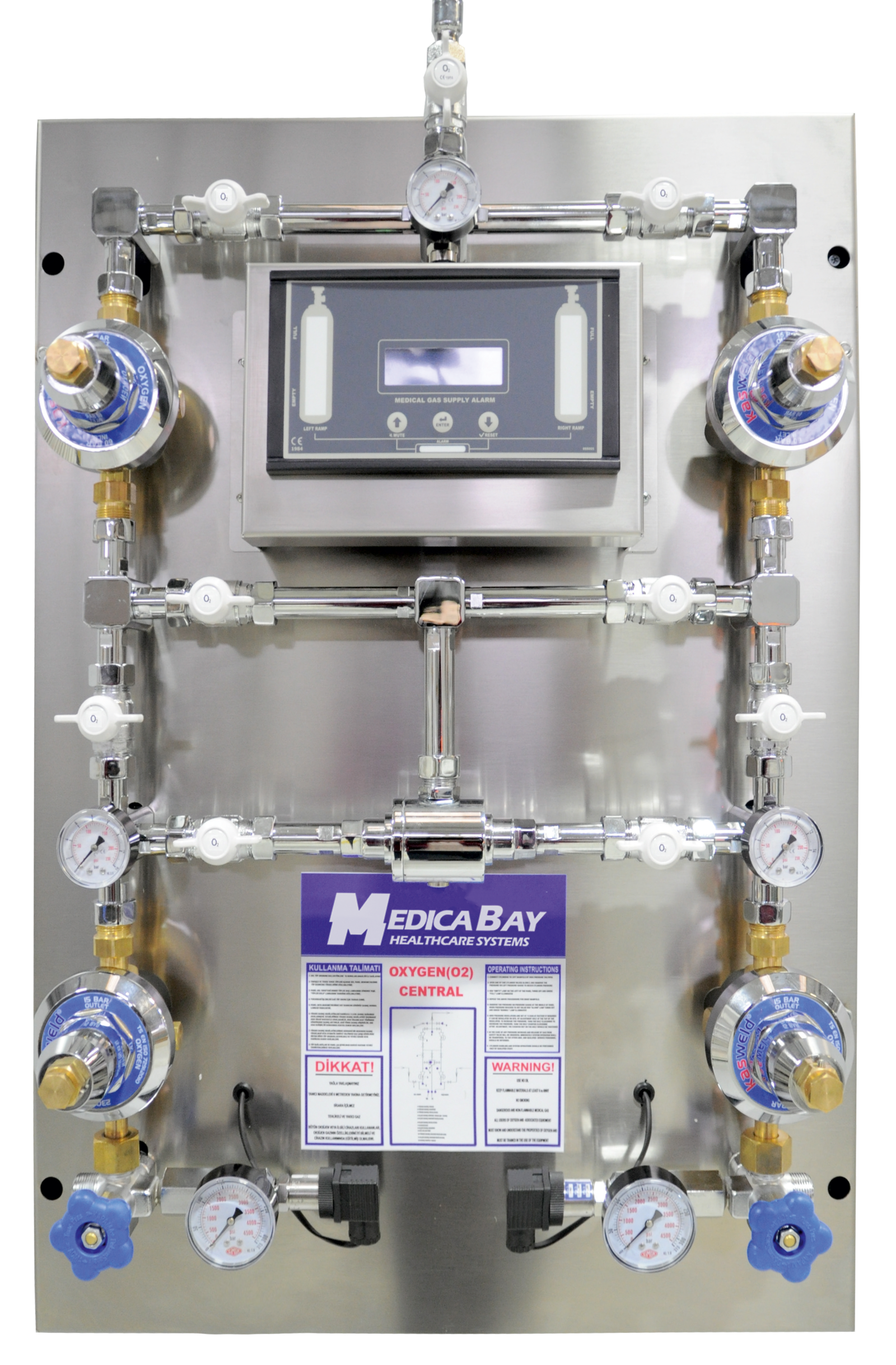
Chromium-Plated Brass Option
Optional heavy-duty chromium plating across all brass manifolds, pipes, and regulator bodies for superior corrosion resistance and hospital aesthetics.
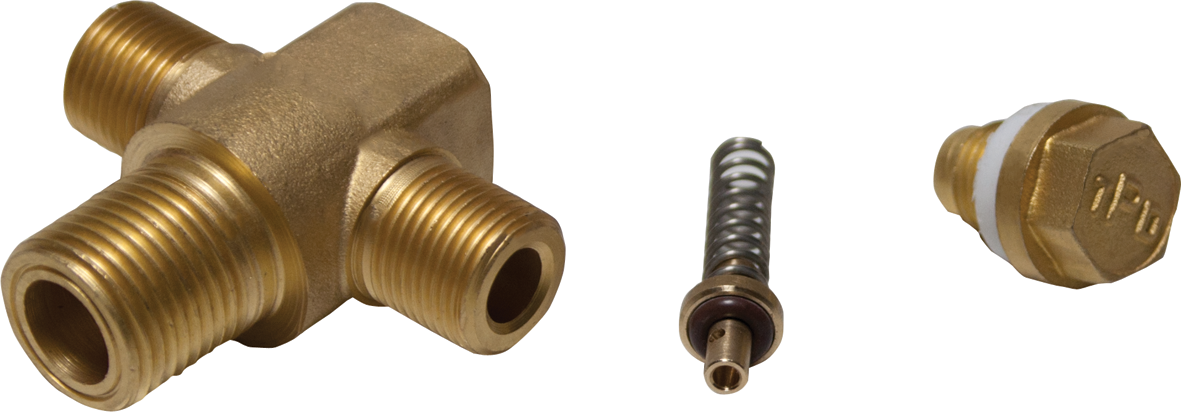
Cadmium-Free Check-Valve Seats
CW614N brass non-return devices silver-soldered to copper header pipes without cadmium, allowing hot-swapping depleted cylinders without shutoff.
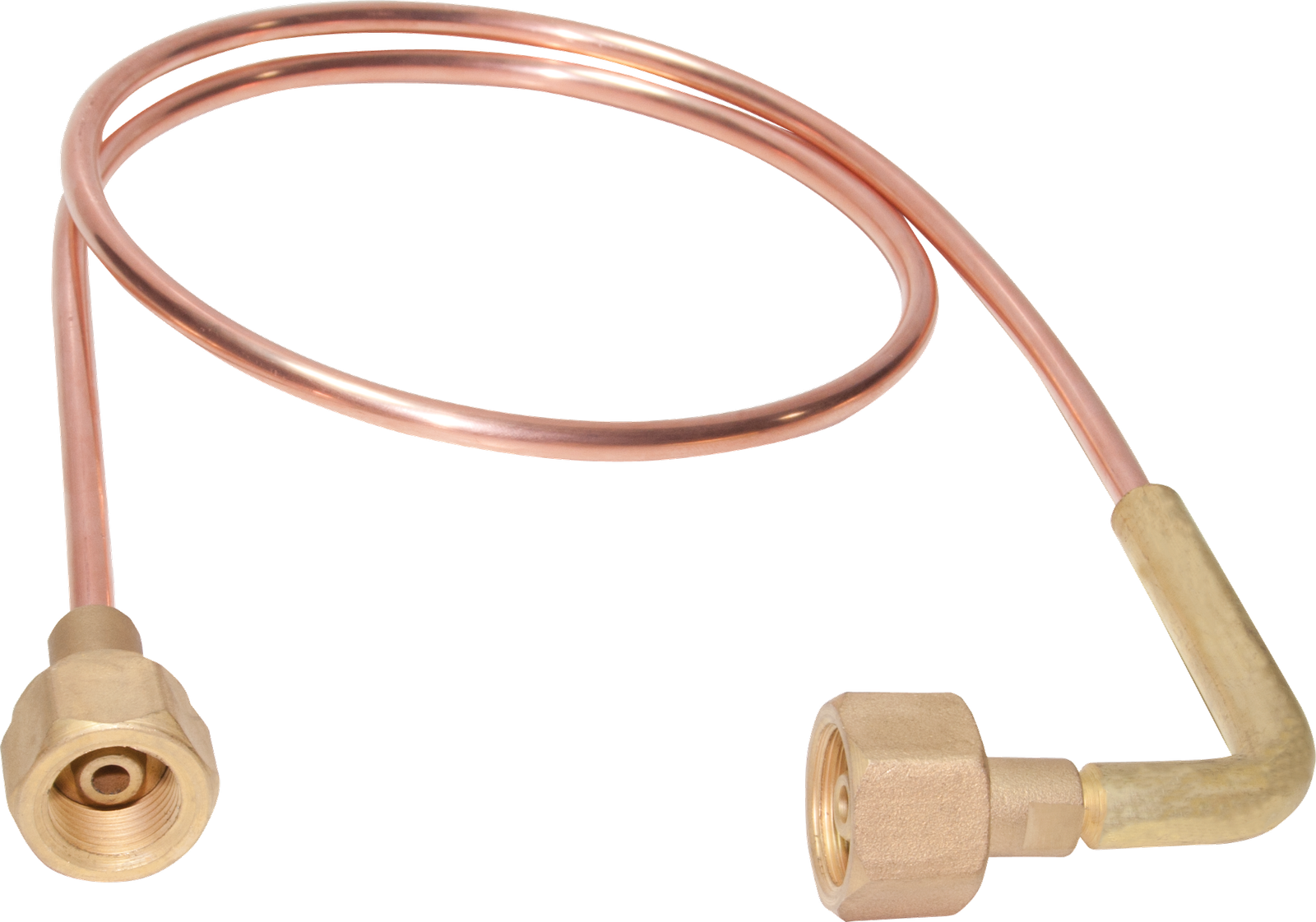
Flexible Copper Pigtail
High-pressure annealed copper pigtail rated for 200–300 bar working pressure, with gas-specific pin-index, DIN 477, or BS 341 safety connections.
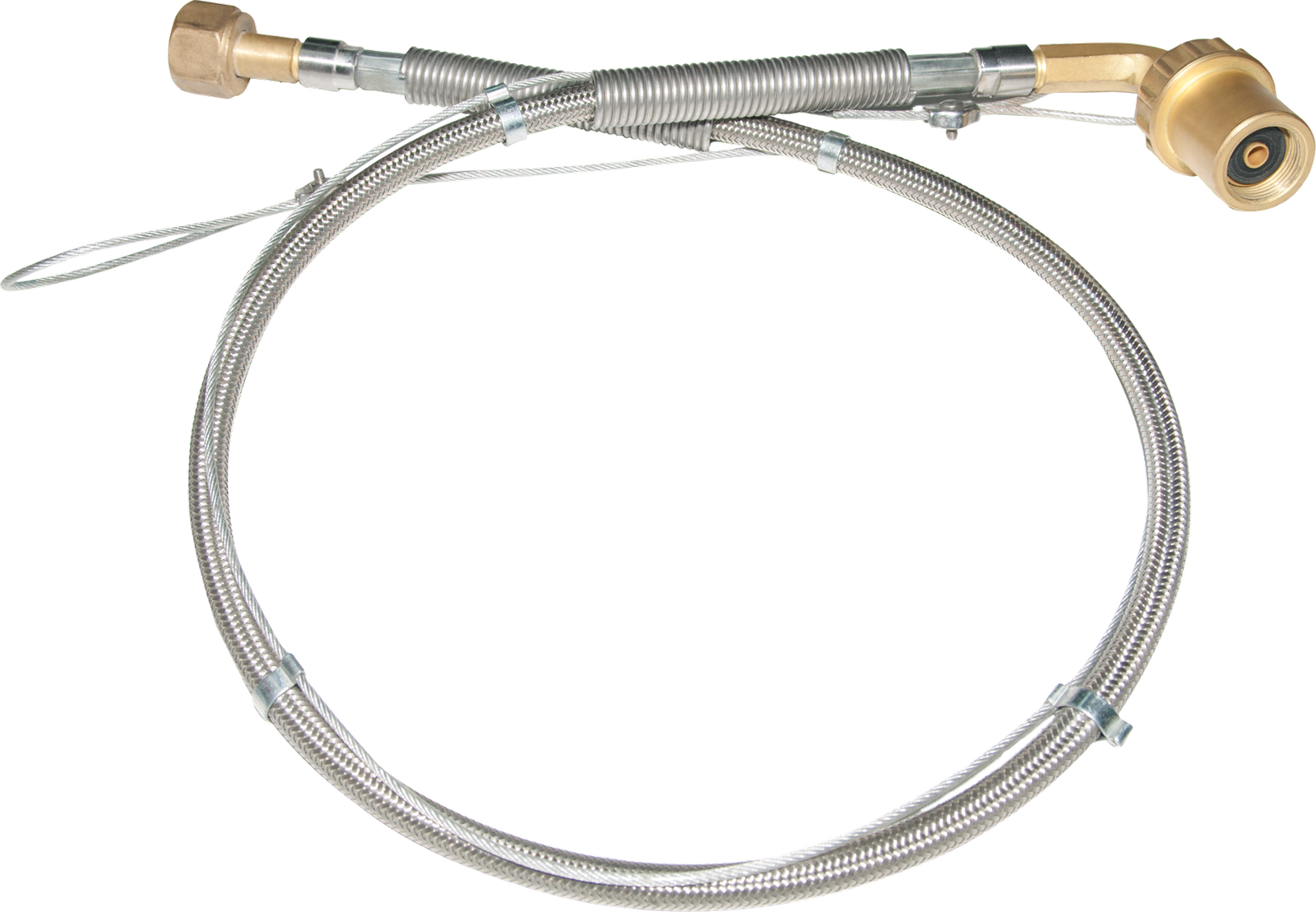
Stainless Steel Flexible Pigtail
Braided stainless steel high-pressure flexible pigtail offering maximum kink resistance and extended service life in acute hospital installations.
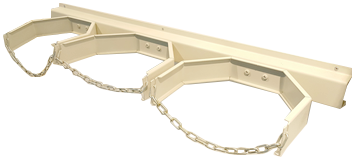
Modular 40L & 50L Cylinder Racks
Floor/wall-mounted steel racks with safety chain locks accommodating 1 to 5 cylinder modules, expandable up to 2×20 cylinders.
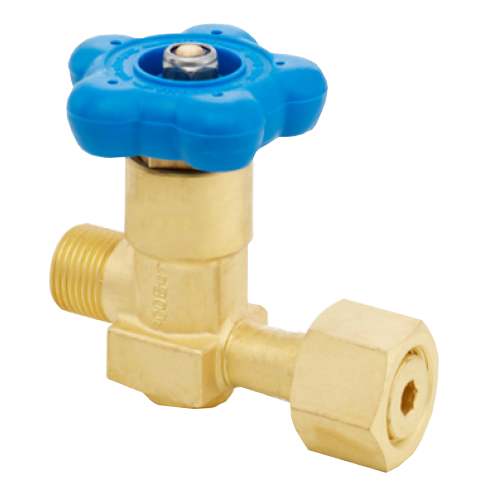
300 Bar High-Pressure Relief Valve
Engineered for safe excess pressure venting during high-pressure cylinder changeouts, rated up to 300 bar for maximum personnel protection.
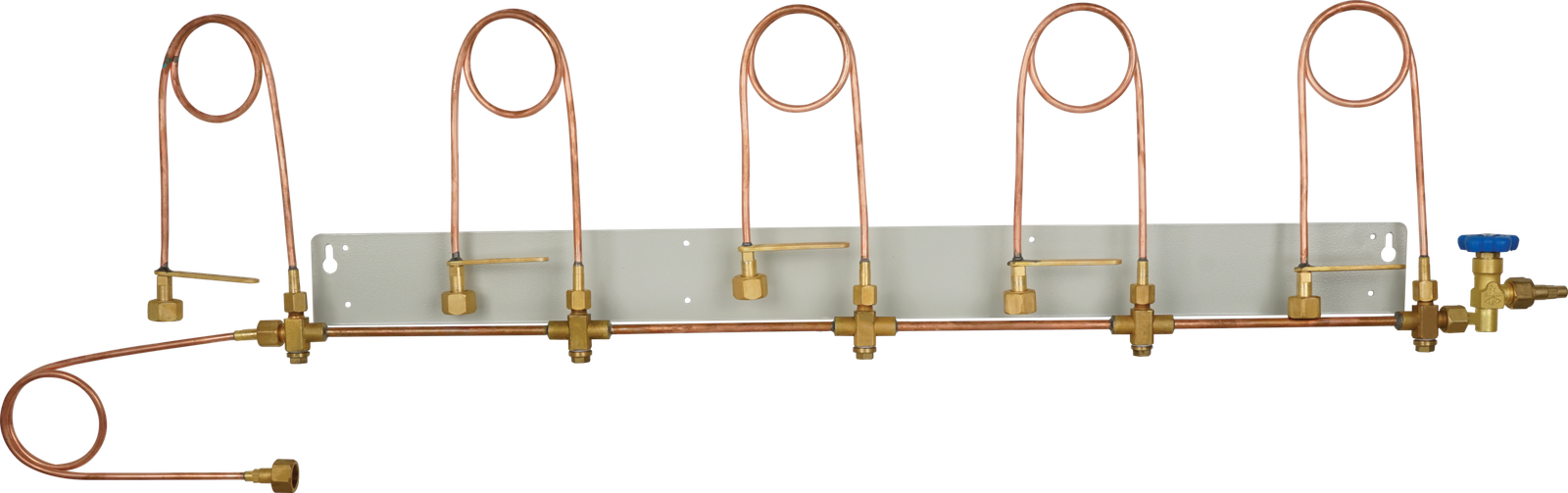
Modular Ramp Seats (Single to 5-Way)
Factory pre-assembled modular ramp headers available in Single, Double, Triple, Quadruple, and Quintuple configurations for flexible field expansion.
Medical Gas Manifold & Automatic Manifold Plant Builder ISO 10524-2 • ISO 7396-1 • HTM 02-01 • ISO 15001
Configure Manifold Header & Cylinder Ramps
Explore continuous hospital duty AMS Automatic Systems (Electronic Solenoid or Mechanical Pneumatic) alongside third-source MMS Manual Emergency Manifolds across 8 flow rates (20 to 300 m³/h) and 9 medical gases.
| Header Model Code | Capacity | System Series | Changeover / Operation | Pressure Stage | Inlet Rating | Hospital Role |
|---|
MGS.AMS-O2-S-090
- Nominal Delivery Flow
- 90 m³/h (1,500 L/min)
- Specified Gas
- Oxygen (O₂)
- Regulated Pressure
- 4.0–4.5 bar (Second Stage)
- Cylinder Ramp Array
- 2 Banks × 6 Cylinders
- Max Working Pressure
- 200 bar (300b Relief)
- Changeover Method
- Electronic Solenoid + Alarm
Engineered to ISO 10524-2, ISO 7396-1, and HTM 02-01. Features 14 integrated safety components including stainless back panel, dual 1st & 2nd stage regulators, high/low transducers, digital alarm, and emergency NIST connection.
Frequently Asked Questions
Key engineering, safety, and procurement guidance on hospital Automatic Manifold Plants, cylinder changeover, HTM 02-01 redundancy, and BMS telemetry integration.
What is an Automatic Manifold Plant and what are the two changeover types (Mechanical vs. Electronic)?
An Automatic Manifold Plant (AMS) connects two independent banks of high-pressure cylinders (Bank A and Bank B @ 200 bar) to ensure uninterrupted medical gas pipeline supply. Medicabay provides two distinct changeover mechanisms:
1. Mechanical Changeover Type: Powered by an integrated pneumatic differential changeover unit. It shifts cylinder banks automatically using gas pressure difference alone—requiring no electrical power supply, making it intrinsically fail-safe.
2. Electronic Changeover Type (Solenoid Type): Features high-speed electronic solenoid valves, high/low pressure transducers, and a digital alarm panel. It continuously measures cylinder contents, executes precise automated changeover, and transmits real-time telemetry to central nurse alarms and hospital BMS, in full compliance with ISO 7396-1:2016 and HTM 02-01.
What is the role of an Emergency Reserve Manifold (ERM) under HTM 02-01?
Under NHS England HTM 02-01 Part A, medical gas installations must include a third, completely independent supply source known as an Emergency Reserve Manifold (ERM).
If both main banks (duty and standby) fail or suffer sudden pressure depletion, or if pipeline pressure falls below 3.6 bar, the ERM automatically cuts in to maintain continuous life-support ventilation across hospital operating theatres and intensive care units.
Why are electric line heaters required for Nitrous Oxide (N₂O) and Carbon Dioxide (CO₂)?
Nitrous oxide and carbon dioxide are stored in liquid/vapor equilibrium inside high-pressure cylinders. High continuous withdrawal rates cause rapid liquid vaporization, drawing latent heat from the gas and surrounding metalwork.
Due to the Joule-Thomson effect, regulator orifices can experience temperatures below -40 °C, leading to severe frost accumulation and regulator seat freeze-up. Medicabay manifolds for N₂O and CO₂ are equipped with thermostatically controlled 230V electric inline heaters to ensure continuous frost-free flow.
What alarm telemetry and BMS signals does the AMS control panel provide?
The AMS microprocessor control panel features 4–20 mA industrial pressure transmitters that continuously output live line pressure, Bank A pressure, and Bank B pressure.
Dry volt-free contacts and an RS485 Modbus RTU interface report four essential alarm conditions to the central nurse station Master Alarm Units and hospital Building Management System (BMS): Duty Bank In Service, Standby Bank In Service, Bank Changeover (Refill Required), and Pipeline Pressure Fault.
What cylinder safety connections and non-return check valves are used?
Each cylinder is connected via a high-pressure annealed copper or Monel flexible pigtail equipped with gas-specific pin-index, DIN 477, CGA, or BS 341 safety connections to eliminate cross-connection risk.
Every individual pigtail connection block incorporates an integrated non-return check valve, allowing depleted cylinders to be safely decoupled and replaced while the rest of the bank continues uninterrupted delivery.
Can an Automatic Manifold Plant be integrated with PSA Oxygen Generators and VIE Tanks?
Yes. Medicabay specializes in integrated medical gas architecture where an on-site PULOX PSA Oxygen Generator or Liquid Oxygen Tank (VIE) serves as the primary base source.
The AMS Automatic Manifold Plant acts as the proven secondary backup and emergency reserve source, ready to take over full acute hospital demand instantly.
Complete the gas supply
The rest of the source equipment, from one manufacturer.
Choose the Perfect Capacity for Your Needs
Easily find the capacity that best fits your requirements by reviewing the table below. We offer a range of options designed to meet diverse needs with maximum efficiency and reliability. Once you’ve identified the ideal capacity, don’t hesitate to reach out to us for more information, personalized assistance, or a detailed quote.
Contact us via the email provided below—we’re here to support you every step of the way!
